
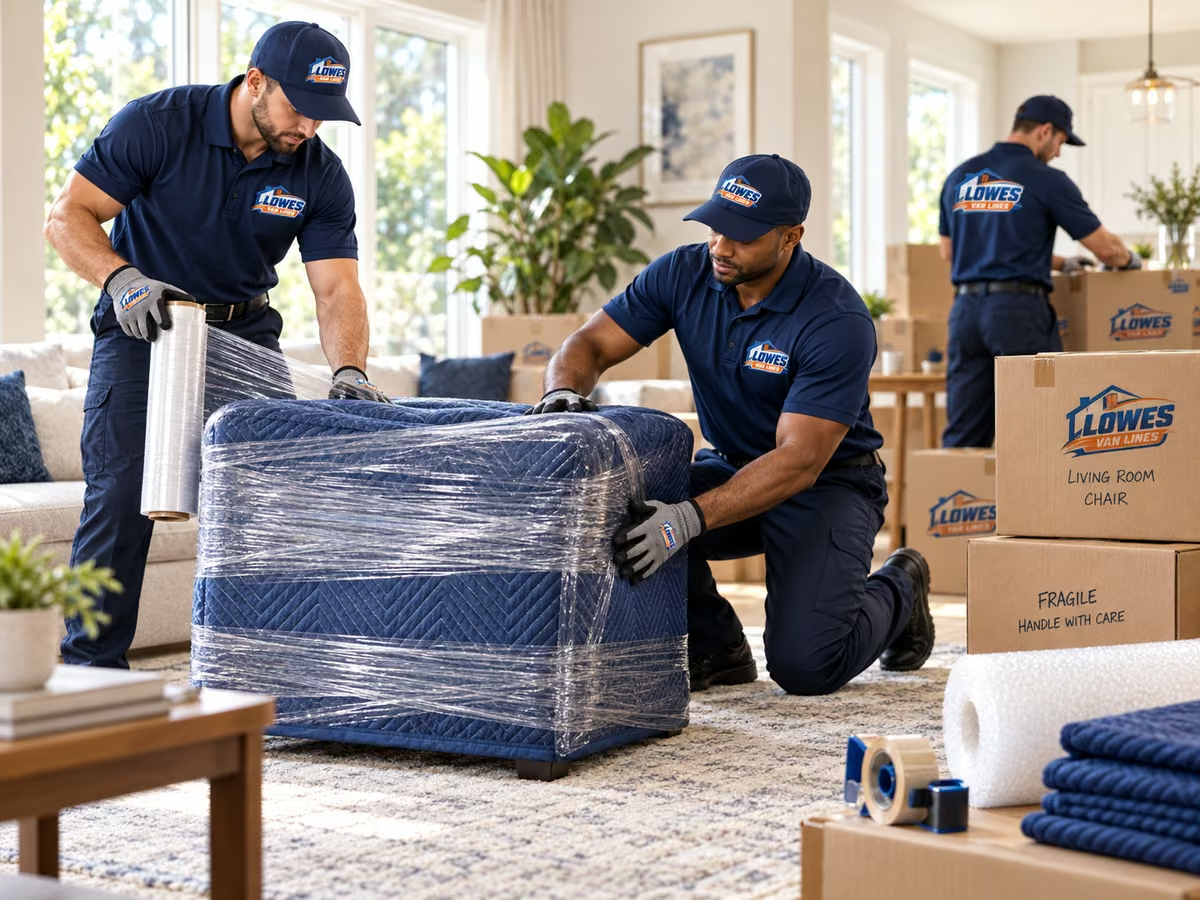
Good packing protects the shipment and makes delivery easier. Start with a consistent labeling system, separate what should travel with you, and avoid packing prohibited or hazardous materials.
Build a packing system
- Assign each room a name or color.
- Number every box and keep a simple inventory.
- Mark fragile, heavy, open-first, and do-not-load items clearly.
- Use smaller boxes for heavy contents and larger boxes for light contents.
- Photograph electronics and furniture before disassembly.
Pack an essentials kit
Keep identification, contracts, medication, chargers, keys, valuables, work equipment, basic tools, toiletries, clothes, pet supplies, children’s items, cleaning supplies, and important contact information with you rather than in the shipment.
Room-by-room priorities
Kitchen
Separate liquids, dispose of food that should not travel, protect dishes vertically, and label appliance parts.
Bedrooms
Use wardrobe boxes where useful, protect mattresses, and keep bedding for the first night accessible.
Living areas
Photograph electronics, label cables, protect artwork, and identify furniture requiring disassembly.
Garage and storage
Review fuel, paint, chemicals, propane, batteries, and other items that may be restricted from transport.
Do not hide specialty items
Pianos, safes, artwork, large mirrors, antiques, exercise equipment, oversized furniture, and high-value items may require special planning, materials, valuation, or equipment. Include them in the estimate request.
Prepare for delivery
Keep a floor plan, room labels, destination access details, and priority-box list. Check the shipment inventory as items arrive and record missing or damaged items before signing final delivery documents.